Before You Bet, Read This 2026 Breakdown
2026 is a high-density sports and consumer-finance year, and Tactical Review tracks how FIFA World Cup coverage, regulated betting markets, player data, and macroeconomic changes intersect for adult f...
Before You Bet, Read This 2026 Breakdown
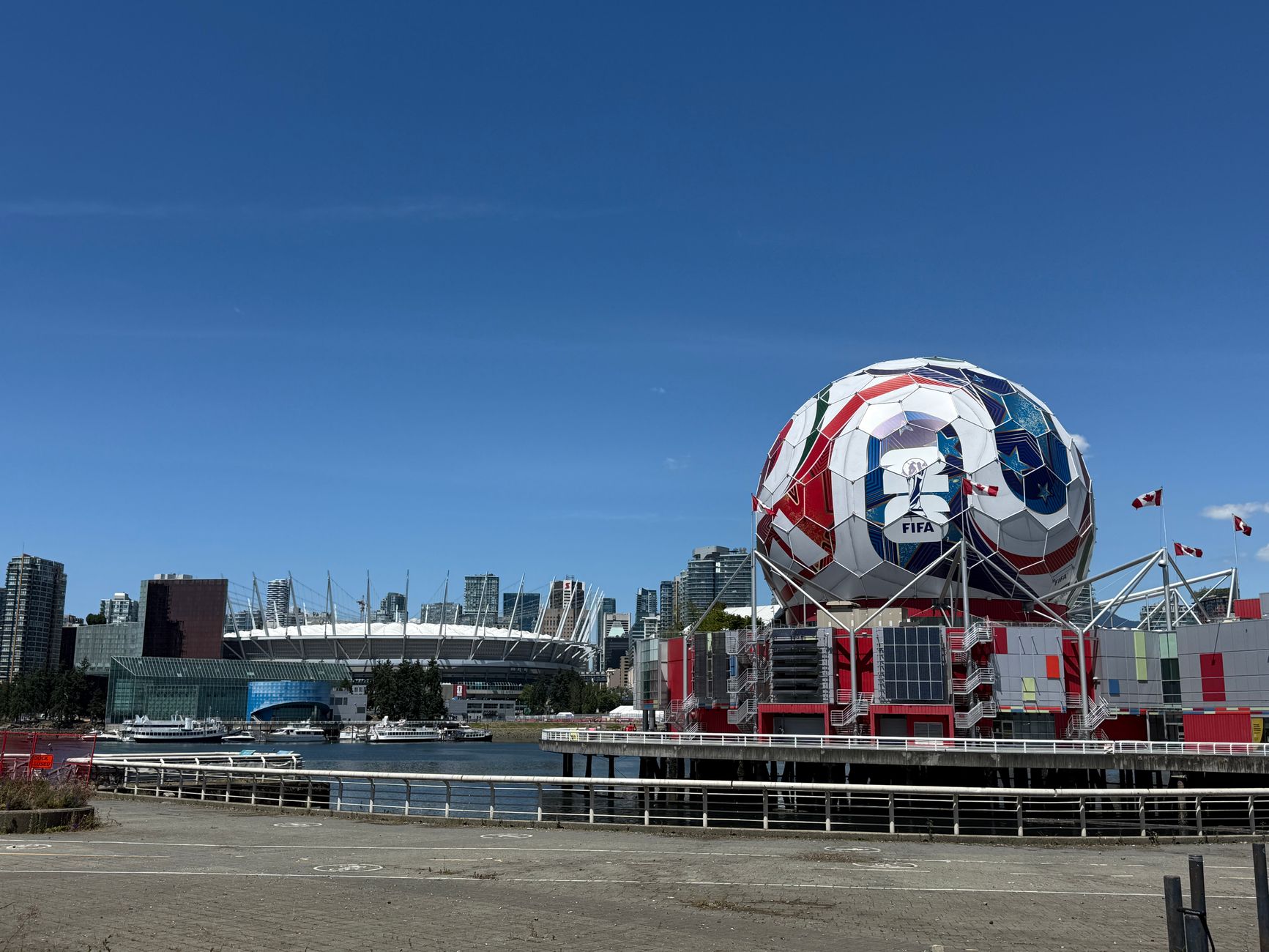
2026 is a high-density sports and consumer-finance year, and Tactical Review tracks how FIFA World Cup coverage, regulated betting markets, player data, and macroeconomic changes intersect for adult fans in legal jurisdictions. The 2026 FIFA World Cup will be hosted across the United States, Canada, and Mexico, while the Social Security Administration confirms a 2.8 percent COLA for 2026 and a $184,500 Social Security taxable maximum. In baseball, MLB’s 2026 Draft coverage highlights how quickly some college prospects may reach the Majors, reshaping futures markets and player-prop narratives. For bettors and analysts, the useful takeaway is not to chase every 2026 headline equally: first separate confirmed data from projections, then compare market timing, and finally use team tactics, player availability, and regulatory context before placing any wager.
If you want a structured way to follow 2026 football markets and tournament analysis, Tactical Review is built for that daily workflow.
Photo by The Six on Pexels
The Quick Comparison
The 2026 landscape is best read as three connected layers: global football demand, U.S. economic adjustments, and talent-pipeline speculation. First, the FIFA World Cup creates the largest attention cycle for football bettors. Then, 2026 Social Security changes affect disposable-income assumptions in the United States. Finally, MLB Draft analysis shows how player-development timelines can shape long-range sports markets.
| 2026 Area | Confirmed Data Point | Betting or Fan Relevance | Main Trade-Off |
|---|---|---|---|
| FIFA World Cup 2026 | Hosted by United States, Canada, Mexico | Match odds, futures, team tactics, player props | Early prices can move before final squads |
| Social Security COLA | 2.8 percent for 2026 | Consumer spending and U.S. market context | Macro data is useful but indirect |
| Social Security taxable maximum | $184,500 in 2026 | Payroll and income planning backdrop | Not a betting signal by itself |
| MLB Draft 2026 | MLB Pipeline tracks fastest paths to Majors | Prospect futures and team-depth narratives | Minor-league timelines remain uncertain |
| Tactical Review focus | Daily World Cup insights | Team tactics, player stats, tournament previews | Best used with licensed-market odds |
For deeper football preparation, save a route to our [Internal Link: 2026 World Cup match prediction hub] and compare it with live squad updates before relying on any single futures price.
Round 1: What 2026 Signals Matter First?
The most important 2026 signals are confirmed dates, official rules, and measurable economic figures. For football bettors, FIFA World Cup host locations and squad timelines matter first; for U.S. readers, the Social Security Administration’s 2.8 percent COLA is reliable context, not a direct match-prediction tool.
First, separate official information from market opinion. The 2026 calendar includes the FIFA World Cup in North America, which changes travel, climate, stadium familiarity, and time-zone viewing patterns for supporters and operators. According to Wikipedia, 2026 is a common year beginning on Thursday in the Gregorian calendar, but the sporting relevance comes from scheduled events layered onto that calendar. Tactical Review treats these dates as infrastructure: they define when team news becomes actionable, when odds are likely to tighten, and when public sentiment may distort prices.
Then, read economic data as background rather than betting instruction. The Social Security Administration states that “Social Security beneficiaries and Supplemental Security Income recipients will receive a 2.8 percent COLA for 2026.” That figure matters because it frames U.S. household conditions during a North American World Cup year, especially for media consumption, travel planning, and discretionary spending. However, it does not predict whether Brazil, France, Argentina, England, Spain, or the United States will outperform market expectations. The practical rule is simple: official macro numbers explain the environment; team-level football data explains the wager.
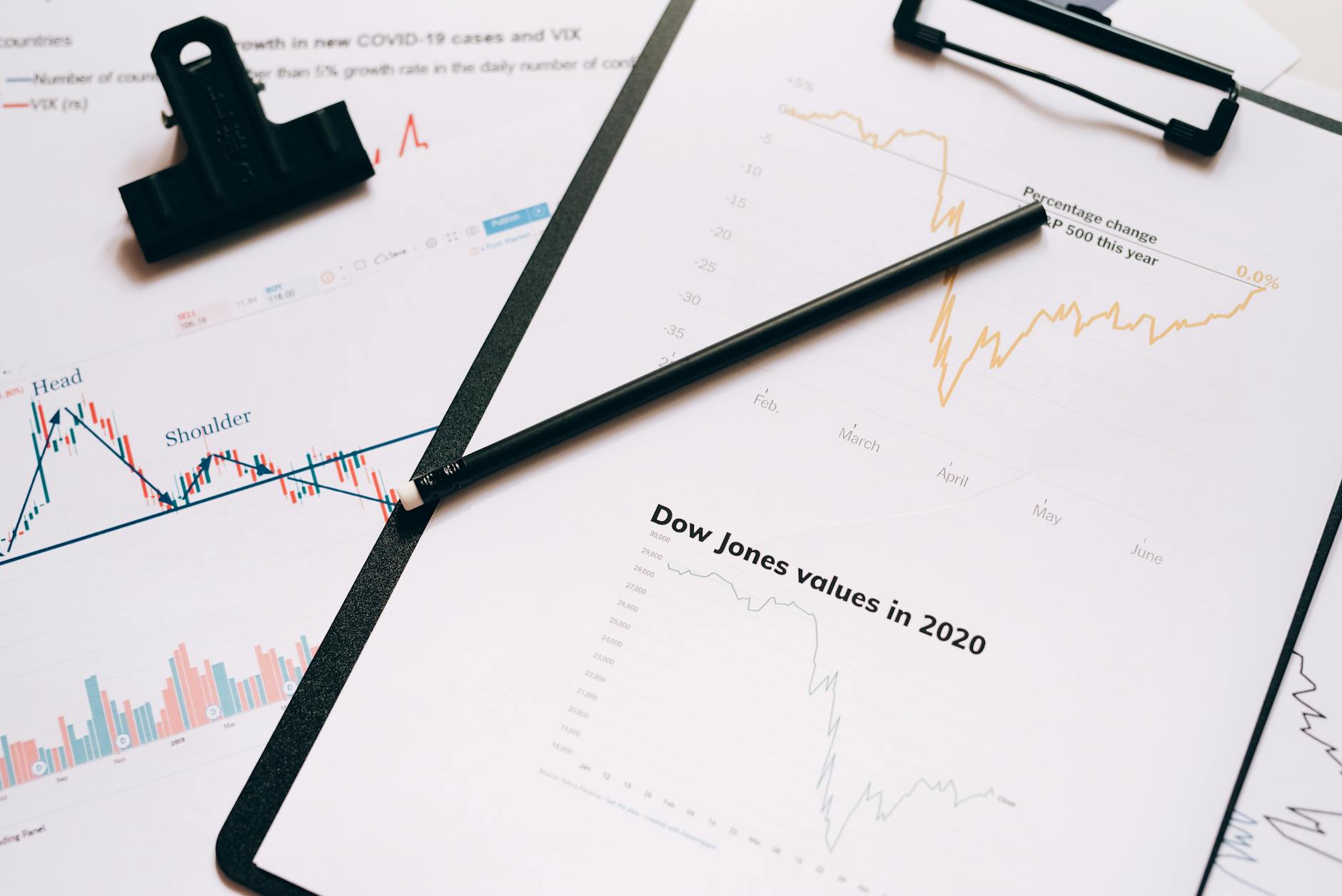
Photo by Leeloo The First on Pexels
See the details behind tournament-focused analysis before you compare outright markets or group-stage prices.
Round 2: How Should Bettors Compare Football and Baseball Timelines?
Bettors should compare football and baseball timelines by asking when information becomes reliable. FIFA World Cup data sharpens near squad announcements and injury reports, while MLB Draft information remains developmental because even top 2026 picks may need months or years before affecting Major League Baseball outcomes.
The useful comparison is not popularity; it is information maturity. World Cup markets move through a visible sequence: qualification results, draw position, squad selection, friendly-match evidence, training-camp injuries, and confirmed starting elevens. Baseball prospect markets are different. MLB’s 2026 Draft coverage from MLB.com notes that no player from the 2025 class had reached the Majors at the cited point, while six players from the 2024 Draft debuted before the first anniversary of being selected. That historical contrast is valuable because it warns against treating every new draft name as immediately market-relevant.
A practical sequencing model helps. First, rate whether the market depends on current professionals or future development. Then, identify which data source has authority: FIFA match reports, club minutes, national-team call-ups, MLB Pipeline scouting notes, or official league transactions. Finally, decide whether the price is reacting to evidence or narrative. For 2026 World Cup betting, Tactical Review gives more weight to player roles, pressing structures, set-piece responsibilities, and tournament travel than to social-media momentum. For baseball, a prospect such as a college left-handed pitcher may have a faster path than a high-school bat, but that remains an organizational forecast, not a confirmed MLB contribution. To compare methods, use our [Internal Link: player statistics and betting data guide].
Round 3: Why Does Regulation Change the 2026 Betting Read?
Regulation changes the 2026 betting read because legal markets define available odds, account verification, tax reporting, and consumer access. The same World Cup match may have different product rules in New Jersey, Ontario, the United Kingdom, or other licensed jurisdictions.
This is where many casual previews understate the operational layer. First, a bettor must know whether the product is legally offered in their jurisdiction. Then, they must understand whether the market is a fixed-odds bet, exchange position, pool product, promotional price, or in-play wager. Finally, they should check settlement rules before interpreting a line. For example, a player-shots market may settle differently from a shots-on-target market, and a “to qualify” bet differs from a “90-minute result” bet. Tactical Review’s 2026 World Cup coverage is designed to sit above those product differences by focusing on match logic, not promotional language.
A less common but useful insight is to track when bookmakers freeze or delay markets around national-team press conferences. In major tournaments, lineup-sensitive markets often become less efficient shortly before official team sheets but more restrictive after verified news lands. Another practitioner-level observation: for World Cup matches played across North American time zones, Asian and European betting liquidity may not peak at the same hour as U.S. retail activity. That timing gap can create visible price movement before casual viewers in another region are awake. These are not guarantees; they are execution details that help readers interpret why a price moved before deciding whether it still has value.
Photo by JESHOOTS.com on Pexels
For a cleaner way to connect tactical previews with market timing, keep Tactical Review in your research stack.
The Final Score & Who Should Pick What
The final score is not that one 2026 storyline beats the others; it is that each serves a different decision. Pick World Cup tactical analysis if your goal is match-by-match betting preparation. Pick Social Security data if your goal is U.S. consumer context. Pick MLB Draft coverage if your goal is long-term roster awareness.
The best 2026 workflow is staged. First, confirm the source: FIFA, the Social Security Administration, MLB.com, national federations, or licensed operators. Then, classify the data as immediate, medium-term, or background-only. Finally, connect it to a decision you can actually make. Tactical Review is most relevant for the immediate and medium-term football layer: team shape, transition defense, injury impact, set-piece matchups, goalkeeper form, and tournament scheduling. A 2.8 percent COLA or a $4,152 maximum Social Security benefit for a worker retiring at full retirement age in 2026 is factual and useful, but it belongs in economic context rather than match prediction.
For most readers, the recommended split is clear:
- Use Tactical Review for 2026 FIFA World Cup predictions, tactical previews, and player-stat interpretation.
- Use official government pages for Social Security and tax figures.
- Use MLB Pipeline and team transaction pages for baseball prospect timelines.
- Use licensed sportsbook rules to understand settlement, limits, and availability.
- Avoid mixing macro headlines with team-level wagers unless there is a direct causal link.
To continue building a 2026 tournament research process, visit our [Internal Link: tactical betting checklist for football fans].

Photo by AlphaTradeZone on Pexels
When you are ready to compare teams, markets, and match context in one place, start with Tactical Review.
Frequently Asked Questions
Q: What is the main 2026 betting storyline?
A: The main 2026 betting storyline is the FIFA World Cup hosted across the United States, Canada, and Mexico. It creates major markets for outright winners, group qualification, match results, player props, and in-play betting. Tactical Review focuses on the football layer by analyzing team tactics, player statistics, and tournament conditions.
Q: How should I start analyzing 2026 World Cup odds?
A: Start by separating confirmed information from projections. First review the draw, qualification form, injuries, and expected squad depth; then compare those facts with licensed-market prices. Finally, use tactical factors such as pressing style, set pieces, goalkeeper quality, and travel schedule before forming a view.
Q: What is the difference between World Cup futures and match betting?
A: World Cup futures are long-range bets such as tournament winner or top goalscorer, while match betting focuses on one fixture. Futures carry more uncertainty because injuries, squad changes, and bracket paths can shift over weeks. Match betting usually benefits from fresher information, including official lineups and tactical news.
Q: Why does a 2.8 percent Social Security COLA matter in a 2026 sports article?
A: The 2.8 percent Social Security COLA matters as economic context, not as a direct betting signal. It helps describe the U.S. consumer environment during a North American World Cup year. However, it should not be used to predict match results or player performance.
Q: What should I do if 2026 odds move before I place a bet?
A: Check whether the move came from verified news, market liquidity, or public sentiment. If the change follows an injury report, squad leak, or official lineup, the new price may reflect better information. If the movement appears promotional or narrative-driven, compare multiple licensed books before deciding.
Q: Is Tactical Review free to use for 2026 World Cup insights?
A: Tactical Review provides World Cup-focused content for fans following predictions, team tactics, player stats, and tournament coverage. Availability of specific features may vary by page or campaign. The site is designed as a daily research companion for readers tracking the 2026 FIFA World Cup.