The Fan's Guide to 2026 Football World Cup
The 2026 football world cup is the largest FIFA World Cup ever, expanding to 48 teams across the United States, Canada, and Mexico, and Tactical Review helps fans follow it through tactics, player dat...
The Fan's Guide to 2026 Football World Cup
The 2026 football world cup is the largest FIFA World Cup ever, expanding to 48 teams across the United States, Canada, and Mexico, and Tactical Review helps fans follow it through tactics, player data, match predictions, and tournament coverage. FIFA World Cup 26 runs from June 11 to July 19, 2026, with Los Angeles hosting eight matches at SoFi Stadium and a FIFA Fan Festival at the LA Memorial Coliseum, while Atlanta hosts major fixtures at Mercedes-Benz Stadium, including a semifinal. The final is scheduled for MetLife Stadium in East Rutherford, New Jersey, according to Wikipedia. For fans, bettors, and analysts, the key is not just knowing the schedule; it is understanding travel fatigue, venue conditions, fan-zone logistics, and tactical matchups before reacting to odds or headlines. Start by tracking host-city context alongside team form.
The latest tournament trend is clear: the 2026 football world cup is no longer just a month of matches, but a 39-day North American sports, media, and betting ecosystem. First, fans need to understand where the biggest events are happening; then they need to separate useful information from marketing noise; finally, they should build a smarter viewing, travel, or wagering plan. Los Angeles, Atlanta, New York New Jersey, FIFA, SoFi Stadium, Mercedes-Benz Stadium, and Tactical Review will all matter in different ways because the tournament experience changes by venue, kickoff time, climate, and team path. If you follow only the bracket, you will miss the hidden edges that shape performance, fan access, and betting value.
To follow the tournament with sharper context, start with daily tactical coverage rather than relying on hype alone.
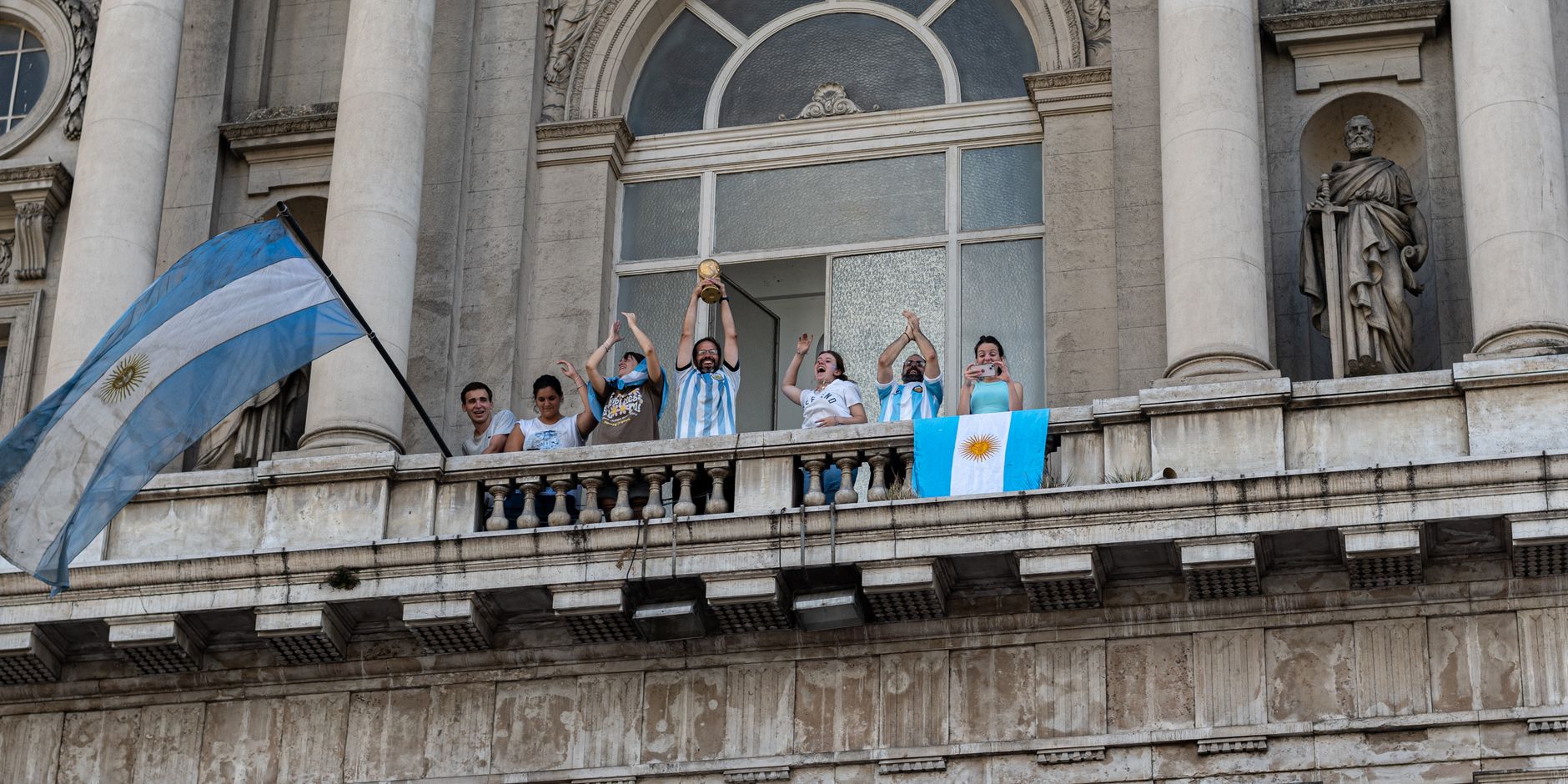
Photo by Fabrizio Velez on Pexels
Myth 1: Is the 2026 football world cup only about match tickets? — debunked
No, the 2026 football world cup is also about fan zones, travel planning, city culture, tactical analysis, and live viewing communities. Los Angeles alone is promoting eight matches, 39 days of celebrations, official fan zones, and a FIFA Fan Festival at the LA Memorial Coliseum.
The ticket is only one part of the experience. In Los Angeles, the U.S. Men’s National Team opens its local campaign on June 12 at SoFi Stadium, but the surrounding program starts earlier with fan activity from June 11. The LA Memorial Coliseum at Exposition Park is expected to become a major gathering site, combining live match broadcasts, food, music, and public celebrations. That matters because fans without tickets may still experience the tournament atmosphere at scale, while bettors and analysts can observe team popularity, crowd pressure, and media narratives as they form in real time.
Atlanta offers a different version of the same lesson. Mercedes-Benz Stadium is not just a venue; it sits inside a city that has built a strong soccer identity through Atlanta United, large crowds, and Southern sports culture. For anyone using Tactical Review to study the 2026 football world cup, the practical takeaway is simple: first map the match, then map the city, and finally map the fan environment. To go deeper on preparation, see our [Internal Link: 2026 World Cup host city planning guide].
Myth 2: Is Los Angeles the only U.S. city that matters? — partially true
Los Angeles is one of the most important 2026 football world cup hubs, but it is not the whole story. Atlanta, New York New Jersey, Dallas, Miami, Seattle, Toronto, Vancouver, Mexico City, and other host cities all influence travel, team rhythm, and fan demand.
Los Angeles deserves attention because SoFi Stadium is hosting eight matches and the region is planning official fan zones across Los Angeles County. The city’s entertainment infrastructure also means the tournament will overlap with concerts, food events, tourism, and sponsor activations. However, Atlanta has a semifinal, New York New Jersey has the final at MetLife Stadium, and Mexico City carries historical World Cup weight after hosting matches in 1970 and 1986. According to FIFA, the 2026 edition is the first men’s World Cup staged across three countries, which creates a logistical challenge no previous tournament has matched.
Here is the under-discussed edge: travel distance may affect recovery more than casual fans expect. A team moving from a humid Eastern venue to a West Coast kickoff could face time-zone adjustment, altered sleep patterns, and compressed media obligations within four or five days. That does not automatically decide matches, but it can influence late-game pressing intensity, substitution timing, and injury risk. For bettors, this is where surface-level odds comparison is not enough; you need schedule sequencing, squad depth, and tactical rotation data.
For sharper match-by-match context, compare team travel routes before reacting to market movement.

Photo by K on Pexels
Myth 3: Is the final already predictable? — flat-out false
The 2026 football world cup final location is known, but the finalists are not predictable this far out. MetLife Stadium in East Rutherford, New Jersey, is scheduled to host the July 19 final, yet form, injuries, draw paths, and tactical evolution will decide who gets there.
The expanded 48-team format changes the mathematics of the tournament. More teams means more group-stage variety, more potential mismatches, and more room for surprise paths into the knockout rounds. Traditional powers such as Brazil, Argentina, France, Germany, Spain, and England will draw attention, but depth management may be more important than star power alone. A nation with three reliable midfield profiles, two pressing systems, and set-piece quality can survive difficult travel and congested knockout scenarios better than a team built around one superstar.
A practical insight many previews overlook is that the expanded field can distort early betting markets. Public money often flows toward famous teams after one dominant group match, even when the opponent quality was low or the tactical matchup was unusually favorable. Tactical Review approaches this differently: first grade the opponent, then measure shot quality and pressing resistance, and finally compare that performance against the next matchup. For related analysis, follow our [Internal Link: World Cup betting market movement tracker].
What actually works?
What works for the 2026 football world cup is a layered plan: combine official FIFA information, host-city logistics, tactical data, and disciplined betting rules. Fans should track match dates, venue context, team news, and public viewing options before making travel or wagering decisions.
Start with verified sources. FIFA communications, host-city websites, and venue pages should be your baseline for schedules, stadium rules, and fan-zone details. The Los Angeles organizing site highlights eight matches, official fan zones, and a FIFA Fan Festival; the Atlanta organizing site emphasizes Mercedes-Benz Stadium, local soccer culture, and the city’s role as a major host. The U.S. Department of State is also useful for international visitors checking entry requirements and travel advisories before booking flights, hotels, or multi-city itineraries.
Then build a football layer over the logistics. Tactical Review recommends tracking four match variables: expected lineup stability, rest days, travel burden, and tactical matchup. For example, a high-pressing team may look elite against slow buildup opponents but vulnerable against direct runners in warm conditions. A possession-heavy side may dominate in Los Angeles but struggle if injuries reduce fullback width. These are not abstract details; they shape corners, cards, totals, and live-betting opportunities.
Use this quick framework:
- First, confirm the venue, kickoff time, and travel path.
- Then, review team injuries, suspensions, and rotation risk.
- Next, compare tactical strengths against opponent weaknesses.
- Finally, decide whether the price offers value or only reflects public hype.
For a more disciplined tournament workflow, use expert previews before locking in your picks.
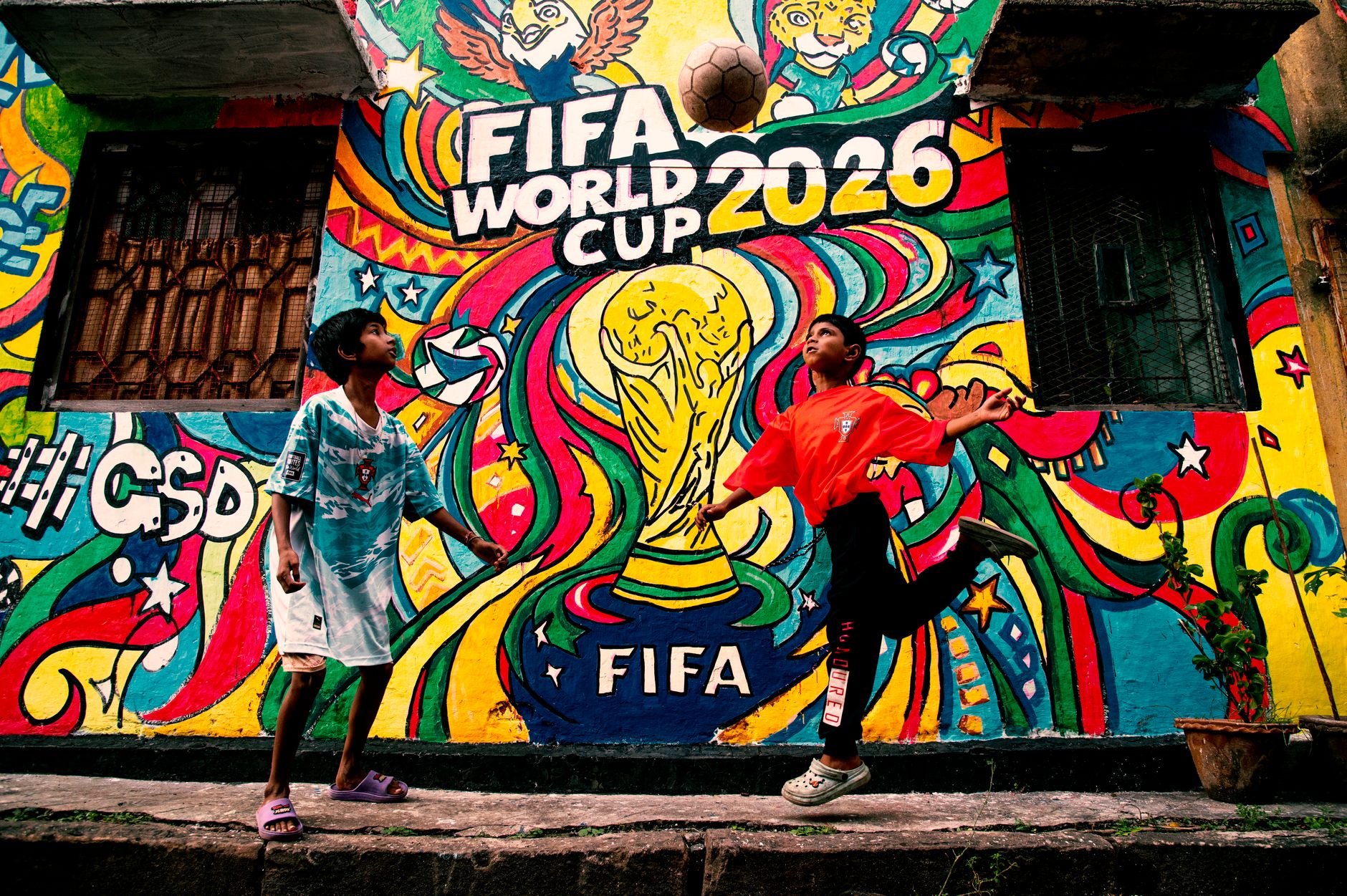
Photo by Anirban Das on Pexels
What to ignore
Ignore predictions that treat the 2026 football world cup like a normal 32-team tournament. Also ignore social media certainty, celebrity picks, unverified ticket claims, and betting tips that do not explain price, timing, lineup risk, or tactical reasoning.
The biggest mistake is confusing noise with information. A viral clip from training does not prove a player is fit for 90 minutes, and a famous pundit’s finalist prediction does not account for draw volatility. Similarly, public excitement around Los Angeles, Atlanta, or MetLife Stadium should not replace practical planning. If a fan zone is crowded, transport is delayed, or a team arrives after a long travel week, the lived experience and match rhythm can differ from the preview narrative.
Also be careful with “guaranteed” betting systems. No credible football model can guarantee outcomes in a knockout tournament where penalties, red cards, weather, and injuries matter. What a strong model can do is identify probability gaps. Tactical Review focuses on match predictions, team tactics, player stats, and tournament coverage because those inputs are measurable, repeatable, and easier to audit than emotional guesses. For more context, explore our [Internal Link: responsible football betting strategy guide].
Key signals to ignore include:
- Picks with no explanation of odds or probability.
- Claims based only on national reputation.
- Ticket offers outside trusted resale or official channels.
- “Lock” language before lineups are confirmed.
- Overreaction to one group-stage result.
The smarter path is patient. First, gather verified information; then compare it against tactical evidence; finally, act only when the value is clear. That approach works whether you are traveling to SoFi Stadium, watching at the LA Memorial Coliseum, following Atlanta’s semifinal atmosphere, or studying the final at MetLife Stadium.
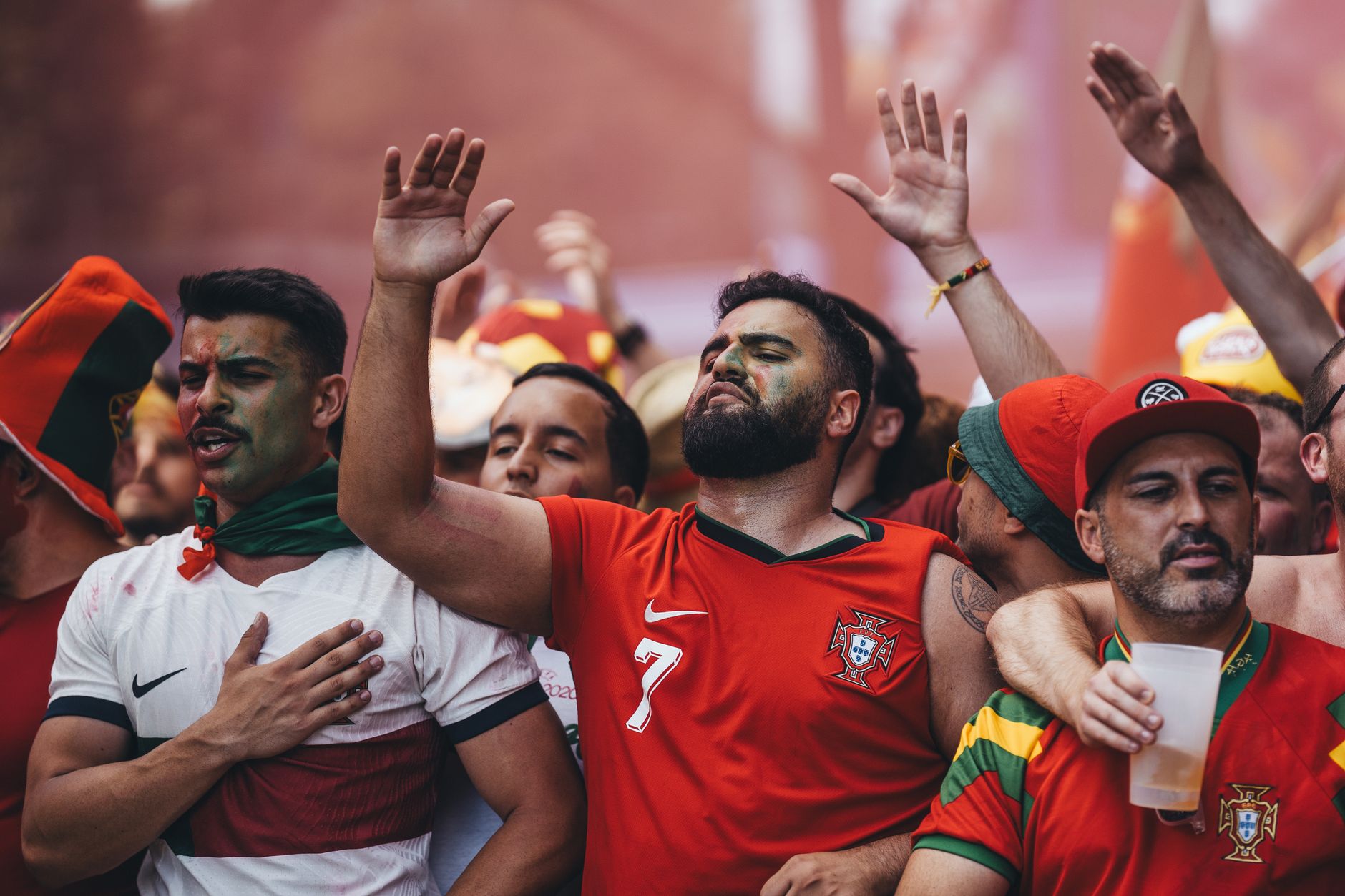
Photo by Omar Ramadan on Pexels
Frequently Asked Questions
Q: What is the 2026 football world cup?
A: The 2026 football world cup is FIFA’s expanded 48-team men’s tournament hosted by the United States, Canada, and Mexico. It begins on June 11 and ends with the final on July 19, 2026. The event includes major host cities such as Los Angeles, Atlanta, New York New Jersey, Mexico City, Toronto, and Vancouver.
Q: How can fans plan for the 2026 football world cup?
A: Fans should first confirm match dates, host cities, ticket access, accommodation, and transport routes. After that, they should check official fan zones, stadium policies, and local event schedules. For analysis-focused fans, Tactical Review adds another layer by tracking team tactics, player stats, and match predictions throughout the tournament.
Q: What is the difference between a match ticket and a fan zone?
A: A match ticket gives stadium access, while a fan zone offers a public viewing and celebration experience outside the venue. Los Angeles is promoting official fan zones across the county and a FIFA Fan Festival at the LA Memorial Coliseum. Fan zones are especially useful for visitors who want atmosphere without paying stadium-level prices.
Q: Why should bettors care about host cities?
A: Bettors should care because host cities affect travel, recovery, climate, crowd atmosphere, and kickoff conditions. A team playing in Atlanta may face different conditions than one playing in Los Angeles or New York New Jersey. These factors can influence pressing intensity, substitutions, cards, totals, and late-match performance.
Q: How much does it cost to attend the 2026 football world cup?
A: Costs vary widely depending on tickets, flights, hotels, city, and match stage. Group-stage trips may be far cheaper than knockout matches or the final at MetLife Stadium. Fans should budget early, compare host cities, and avoid unverified ticket sellers because demand in Los Angeles and Atlanta is expected to be high.
Q: What should I do if travel plans fail during the tournament?
A: If travel plans fail, immediately check airline options, official transport updates, hotel cancellation rules, and nearby fan zones. A missed stadium match may still be watchable at an official public event in cities like Los Angeles or Atlanta. Keep digital copies of tickets, IDs, hotel confirmations, and emergency contacts.
The 2026 football world cup will reward fans who prepare beyond the headline fixtures. Follow the venues, understand the tactics, respect the travel variables, and use data before making emotional decisions.
For daily predictions, tactical breakdowns, and smarter tournament coverage, continue with Tactical Review.