The Fan's Guide to Mexico vs South Africa 2026
Mexico vs South Africa in 2026 is best understood as a tactical and data-driven matchup, not just a 2-0 scoreline. Tactical Review, a FIFA World Cup focused analysis site for fans and betting-minded r...

The Fan's Guide to Mexico vs South Africa 2026
Mexico vs South Africa in 2026 is best understood as a tactical and data-driven matchup, not just a 2-0 scoreline. Tactical Review, a FIFA World Cup focused analysis site for fans and betting-minded readers, tracks this fixture through team structure, player trends, and tournament context across the global football market. On 12 June 2026, Mexico defeated South Africa 2-0, with Mexico listed 14th in the FIFA rankings and South Africa 60th on the referenced match page. The result reinforced Mexico’s stronger tournament profile, but it also exposed how South Africa can compete through compact defending, transition speed, and disciplined midfield spacing. For readers comparing form, odds, and tactical value, the practical takeaway is clear: treat Mexico as the stronger baseline pick, but evaluate team news, lineups, and tempo before making any prediction.
The latest World Cup content trend is not simply asking who won; it is asking why a result happened and whether it can repeat. Mexico vs South Africa offers a useful case study because the headline facts are clean: Mexico won 2-0 on 12 June 2026, Mexico entered with a much higher FIFA ranking, and South Africa had to manage long defensive phases against a more established tournament side. First, this guide breaks down whether Mexico really was as dominant as the score suggests; then it explains the specific tactical case South Africa faced; finally, it highlights where common predictions can fail. Tactical Review approaches the match as a mentor would: start with evidence, test assumptions, and only then form a betting or fan conclusion.
Want to follow deeper World Cup match breakdowns before the next fixture?
Photo by Israel Torres on Pexels
Is Mexico really stronger than South Africa?
Yes, Mexico were clearly stronger in the 2026 meeting because they won 2-0 and entered the fixture ranked 14th by FIFA, compared with South Africa at 60th. The ranking gap did not guarantee victory, but it accurately reflected Mexico’s greater tournament experience, squad depth, and match-control capacity.
The first lesson from Mexico vs South Africa is that ranking gaps matter most when they align with tactical control. Mexico’s 2-0 win was not merely a statistical line on Flashscore; it showed how a higher-ranked side can reduce chaos by controlling territory, pressing after turnovers, and forcing the opponent to defend longer distances. According to FIFA, the men’s world ranking system is designed to compare national teams over time, and while it is not a prediction model, it is useful context when combined with current form and match location. For further reading on team evaluation, see our [Internal Link: World Cup team ranking analysis].
South Africa’s challenge was not a lack of effort; it was the difficulty of turning defensive resistance into repeatable attacking possession. Against Mexico, Bafana Bafana needed clean first passes after ball recovery, but Mexico’s structure made those exits uncomfortable. A typical top-10 recap may stop at “Mexico won 2-0,” yet the more useful insight is this: when a favorite scores without needing a high-risk attacking style, the underdog’s comeback window shrinks dramatically. That is especially important for betting markets such as match winner, handicap, and under or over goals, where tempo often matters as much as talent.
How does Mexico vs South Africa handle early-match pressure?
Mexico handled early pressure better because their midfield spacing allowed safer passing lanes and quicker second-ball recovery. South Africa could disrupt moments, but Mexico’s structure made the match less volatile, which is often the decisive factor when a favorite is protecting tournament momentum in a World Cup setting.
First, look at the opening phase as a risk-management exercise. Mexico did not need to chase the match emotionally; they could build through controlled possession, invite South Africa to step forward, and then attack the gaps left behind. That is why Mexico’s higher FIFA ranking translated into practical advantage rather than just pre-match reputation. The 2-0 result suggests Mexico were able to turn control into scoreboard separation, while South Africa struggled to create enough sustained pressure to force a different rhythm. To understand how this affects prediction markets, check our [Internal Link: football betting odds strategy].
Then consider South Africa’s best route back into the match: transitions. A team ranked 60th can still trouble a team ranked 14th if it wins duels in midfield and attacks before the favorite resets. However, South Africa’s attacking value depended on precision, not volume. One misplaced outlet pass could return possession to Mexico and restart the pressure cycle. This is a practitioner-level point many casual previews miss: underdogs do not simply need “counterattacks”; they need counterattacks that begin within two passes of regaining the ball, before the favorite’s defensive rest shape is restored.
See the details behind sharper football reads and tournament coverage.

Photo by Franco Monsalvo on Pexels
What about a South Africa upset scenario?
A South Africa upset scenario would require three conditions: Mexico losing midfield control, South Africa finishing an early transition chance, and the match staying within one goal after 60 minutes. Without those factors, Mexico’s depth and game management make a repeat upset pathway difficult.
This is where prediction discipline matters. First, do not confuse “possible” with “probable.” International football has famous surprises, and South Africa have enough athleticism to threaten in transition, but the 2026 evidence points toward Mexico as the more reliable side. The edge case is a low-event match: if Mexico create fewer clear chances than expected and South Africa keep the score at 0-0 deep into the second half, pressure can shift. At that point, set pieces, substitutions, and goalkeeper variance become more important than pre-match rankings.
A second overlooked edge case concerns live betting timing. In fixtures like Mexico vs South Africa, the best price on the favorite may not appear before kickoff; it may appear after a controlled but scoreless first 20 minutes, when public frustration pushes odds slightly outward. That does not mean chasing blindly. It means watching whether Mexico are still winning territory, recovering second balls, and forcing South Africa backward. The International Football Association Board notes that “The Laws of the Game are the same for all football throughout the world,” but match interpretation still depends on referee style, contact tolerance, and tempo management.
Key indicators to monitor before expecting an upset include:
- South Africa completing forward passes immediately after ball recovery.
- Mexico’s full-backs being caught ahead of the ball at the same time.
- The match remaining level beyond the 60-minute mark.
- Set-piece volume favoring South Africa.
- Mexico making defensive substitutions earlier than planned.
[Internal Link: live betting checklist for World Cup matches]
Where does Mexico vs South Africa fail?
Mexico vs South Africa analysis fails when readers treat the 2-0 result as the whole story. A scoreline confirms the winner, but it does not fully explain chance quality, tactical control, lineup rotation, fatigue, or whether the same pattern would repeat in another venue.
The biggest failure is overconfidence. Mexico’s 2-0 win and 14th-place FIFA ranking create a strong baseline, but betting or forecasting should never stop there. World Cup fixtures can be shaped by travel, humidity, player minutes, and tactical incentives. For example, a team already leading a group may prioritize energy conservation over goal difference, while an underdog may accept a narrow defeat if defensive damage control protects future qualification scenarios. Tactical Review often warns readers that a good prediction is not just “who is better,” but “what match state benefits each side?”
Another failure is ignoring South Africa’s defensive value. South Africa may rank lower, but a compact block can still frustrate a favorite if the underdog protects central zones and forces wide crosses. According to Wikipedia’s overview of the FIFA World Cup, the tournament has repeatedly produced tactical surprises because national teams have limited preparation windows and high-pressure knockout incentives. That context matters. A favorite such as Mexico may win the most likely version of the match, yet there are still versions where South Africa keep the contest narrow enough to change handicap or totals outcomes.
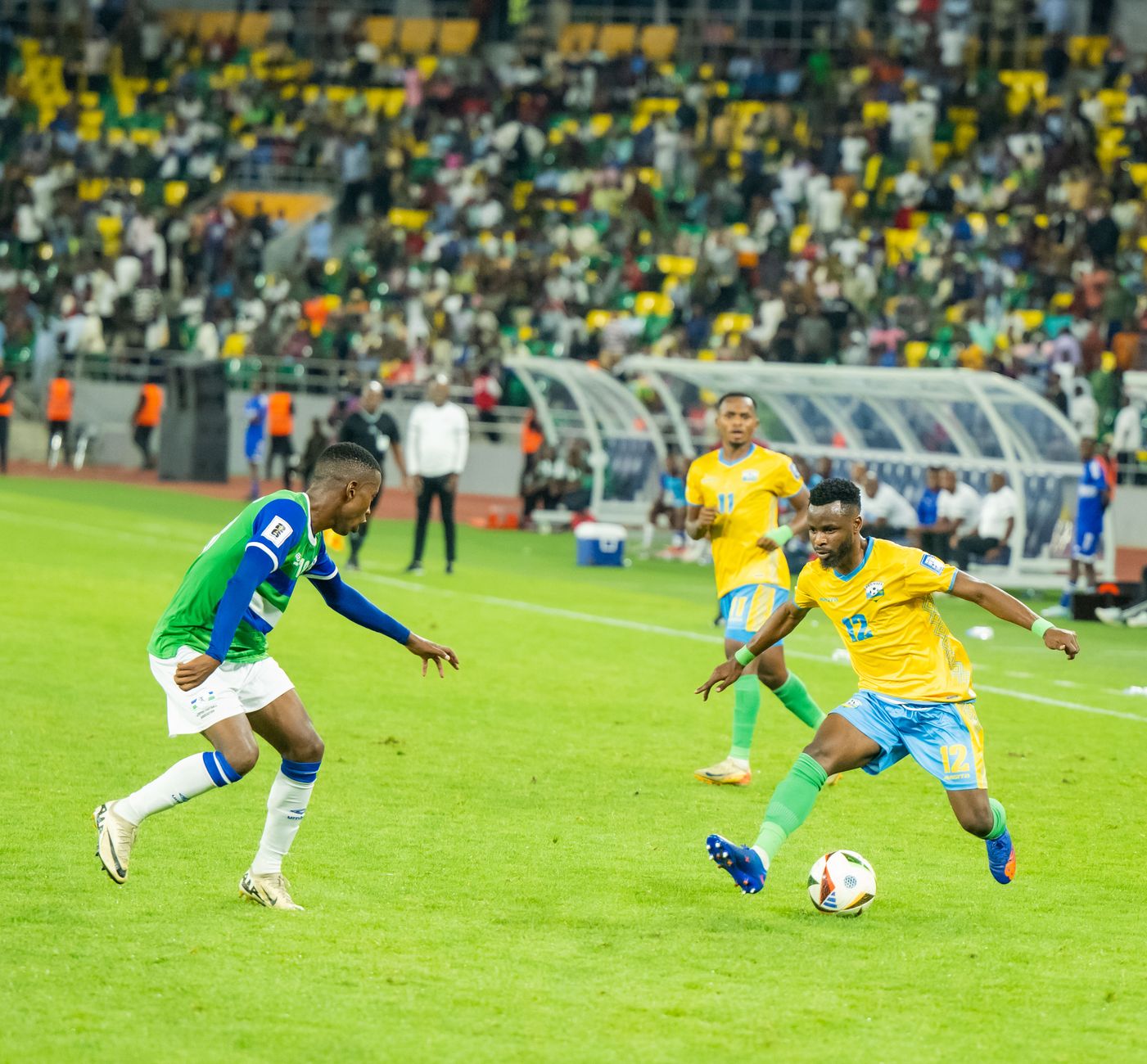
Photo by Faustin NKURUNZIZA on Pexels
Use this quick comparison before forming a view:
- Baseline strength: Mexico have the stronger ranking and tournament profile.
- Match evidence: Mexico won the referenced 2026 fixture 2-0.
- Underdog route: South Africa need transition efficiency and set-piece value.
- Betting caution: Avoid judging only by final score.
- Tactical question: Ask whether Mexico controlled chance quality, not just possession.
Get started with smarter pre-match and live-match analysis.
Should you try Mexico vs South Africa predictions today?
Yes, Mexico vs South Africa predictions are worth studying today if you combine the 2-0 2026 result with updated lineups, market prices, and tactical context. Mexico should be the baseline favorite, but value depends on odds, injuries, match incentives, and live momentum.
First, start with the data you know: Mexico beat South Africa 2-0 on 12 June 2026, and the ranking gap was significant. Then update the model with team news, expected formations, and player availability. Finally, compare your conclusion with the market instead of forcing a bet. A good football prediction is not only about identifying the stronger team; it is about knowing whether the price fairly reflects that strength. If Mexico are priced too short, the smarter angle may be goals, handicap alternatives, or waiting for a live entry.
For readers using Tactical Review during the 2026 FIFA World Cup, the practical framework is simple. First, rate team quality using FIFA ranking, recent results, and squad depth. Then, evaluate the tactical matchup: pressing resistance, transition defense, set pieces, and substitution options. Finally, decide whether the market offers value. This approach is more reliable than relying on headlines, because it explains why Mexico’s 2-0 result happened and what would need to change for South Africa to perform better next time.
[Internal Link: 2026 World Cup match predictions hub]

Photo by Israel Torres on Pexels
Keep refining your World Cup predictions with tactical context, not guesswork.
Frequently Asked Questions
Q: What is Mexico vs South Africa in 2026?
A: Mexico vs South Africa refers to the international football matchup in which Mexico defeated South Africa 2-0 on 12 June 2026. The fixture is notable because Mexico were listed 14th in the FIFA rankings, while South Africa were listed 60th. That gap helps explain why Mexico entered as the stronger side, although tactics and match state still mattered.
Q: How to analyze Mexico vs South Africa before betting?
A: Start by comparing rankings, lineups, recent form, and tactical matchups before looking at odds. For this fixture, Mexico’s 2-0 win and higher FIFA ranking provide the baseline, but you should also assess injuries, formation changes, and live tempo. Finally, compare your opinion with the market price to determine whether there is real value.
Q: Is Mexico better than South Africa in football?
A: Mexico were stronger in the referenced 2026 matchup, supported by a 2-0 win and a much higher FIFA ranking. However, “better” should be judged by more than one scoreline, including squad depth, tournament experience, and chance creation. South Africa can still compete through compact defending, transitions, and set pieces.
Q: Why did South Africa struggle against Mexico?
A: South Africa struggled because Mexico controlled midfield space and reduced transition opportunities. When an underdog cannot turn ball recoveries into quick forward attacks, it spends too much time defending. Against a side like Mexico, that usually leads to territory loss, fatigue, and fewer high-quality scoring chances.
Q: What is the difference between pre-match and live Mexico vs South Africa predictions?
A: Pre-match predictions rely on known data, while live predictions adjust to what is happening on the field. Before kickoff, rankings and team sheets matter most; during the match, territory, pressing success, substitutions, and shot quality become more important. For Mexico vs South Africa, live value may appear if Mexico control play without scoring early.
Q: Is Mexico vs South Africa betting free to analyze?
A: Yes, analysis itself can be free if you use public data such as FIFA rankings, match reports, and team news. Paid tools may offer deeper player stats, expected goals models, or market movement tracking. Tactical Review focuses on helping fans interpret those signals rather than relying only on raw odds.