What Nobody Tells You About FIFA World Cup 2026
The FIFA World Cup 2026 is the largest edition in tournament history, and Tactical Review covers it as a specialist World Cup content site for fans tracking match predictions, team tactics, player sta...

What Nobody Tells You About FIFA World Cup 2026
The FIFA World Cup 2026 is the largest edition in tournament history, and Tactical Review covers it as a specialist World Cup content site for fans tracking match predictions, team tactics, player stats, and betting markets. The tournament will be hosted across the United States, Canada, and Mexico, with 48 national teams instead of 32 and 104 matches instead of 64. FIFA confirmed the expanded format after decades of growth from the first 13-team World Cup in Uruguay in 1930. For bettors and analysts, the key shift is volume: more group-stage fixtures, more uneven matchups, and more chances for tactical mismatches before the knockout rounds. First, understand the structure. Then compare team depth, travel demands, and squad rotation. Finally, use data-led previews rather than reputation alone when evaluating FIFA World Cup 2026 picks.
Latest World Cup coverage has moved beyond simple score predictions. The sharpest fans now track pressing intensity, expected goals, player workload, travel distance, and bookmaker movement before a ball is kicked. FIFA World Cup 2026 turns that approach from useful to essential because the tournament expands to 48 teams across North America, creating more scheduling gaps, climate variation, and tactical asymmetry than Qatar 2022 or Russia 2018. Tactical Review focuses on those edges: how a high defensive line performs in heat, how underdogs survive against elite possession teams, and how player minutes from UEFA Champions League, Premier League, La Liga, and Major League Soccer affect late-tournament performance.
If you want sharper World Cup context before the markets move, start with deeper tactical coverage here.
Photo by Uzay Yildirim on Pexels
The Quick Comparison
| Factor | Traditional World Cup View | Tactical Review View |
|---|---|---|
| Core keyword | FIFA World Cup | FIFA World Cup 2026 analysis |
| Teams | 32 in Qatar 2022 | 48 in 2026 |
| Matches | 64 in Qatar 2022 | 104 in 2026 |
| Hosts | One country in 2022 | United States, Canada, Mexico |
| Main fan focus | Results and stars | Tactics, player stats, betting angles |
| Biggest edge | Team reputation | Matchup detail and scheduling context |
The standard FIFA World Cup story starts with history, winners, and famous finals. That matters, but it does not explain how fans should read 2026. The new format changes the tournament’s betting rhythm. More teams mean more first-time qualifiers, more price errors in early markets, and more games where squad depth matters more than a single superstar. According to FIFA, the 2026 edition will feature 104 matches, a major increase from the 64-match structure used from France 1998 through Qatar 2022. That single number changes analysis, workload, television planning, and bookmaker pricing.
For background, the World Cup began in 1930 in Uruguay and has been held every four years except during World War II. Brazil remain the most successful nation with five titles, followed by Germany and Italy with four each, based on historical records summarized by Wikipedia. Those numbers frame legacy, but 2026 rewards preparation. First, compare the draw. Then measure travel and rest. Finally, evaluate whether a team can adapt from low-block defending to transition pressing within four days. To go deeper into pre-tournament evaluation, see our [Internal Link: FIFA World Cup 2026 betting strategy guide].
Round 1: How Did the FIFA World Cup Become So Big?
The FIFA World Cup became so big because it combines national identity, elite football, global broadcasting, and a four-year scarcity cycle. FIFA’s men’s tournament grew from 13 teams in 1930 to 48 teams in 2026, turning a sporting event into a worldwide media and betting market.
The growth curve explains why FIFA World Cup 2026 carries more commercial weight than earlier editions. Uruguay 1930 was compact. England 1966 helped build television mythology. Mexico 1970 gave the tournament color broadcast era icons. USA 1994 proved the event could dominate even in a market led by the NFL, NBA, and MLB. Qatar 2022 then compressed the schedule into a winter window, which pushed clubs and national teams into new workload debates. The 2026 edition stretches the tournament back across a summer North American footprint, with cities such as New York, Los Angeles, Toronto, Vancouver, Mexico City, Miami, Dallas, and Atlanta in the spotlight.
The governing body’s mission also matters. FIFA states in its official statutes that one of its objectives is “to improve the game of football constantly and promote it globally,” as published in the FIFA Statutes. Expansion fits that mandate, but it also creates a sharper analytical burden. A 48-team field includes elite contenders, dangerous mid-tier teams, and nations whose market prices reflect sentiment more than performance. Tactical Review treats that gap as the starting point. First, identify the team’s base shape. Then review opponent-adjusted metrics. Finally, test whether the market price matches the tactical reality.

Photo by César O'neill on Pexels
Here is the first information edge many casual previews miss: expansion does not automatically create more value on favorites. It often creates inflated prices on famous teams in group games against disciplined underdogs. In a 104-match tournament, bookmakers adjust quickly after the first wave of results, but early lines still react heavily to global fan money from Brazil, Argentina, England, France, Germany, Spain, Portugal, and the United States. The practical move is not to fade every favorite. It is to separate dominant matchup profiles from reputation-driven prices. That means checking full-back recovery speed, set-piece output, goalkeeper distribution, and whether the favorite can break a five-man defensive line without overcommitting.
For readers who want a cleaner pre-match checklist, our analysts break down the data points that matter most.
Round 2: What Changes in the 2026 FIFA World Cup Format?
The 2026 FIFA World Cup changes the tournament through expansion: 48 teams, 12 groups of four, and 104 total matches. The top two teams from each group plus the eight best third-placed teams advance, creating a 32-team knockout stage after the group phase.
This structure changes incentives from the first whistle. In a 32-team World Cup, one bad result often forced a team into aggressive recovery mode by match two. In 2026, some third-placed teams survive, so coaches manage risk differently. A draw against a top seed becomes more valuable. Goal difference becomes a live strategic variable. Late substitutions become less about chasing drama and more about protecting qualification math. For betting analysis, this means first-half markets, unders, cards, and draw outcomes deserve closer attention in specific group scenarios. To understand qualification pressure in more detail, use our [Internal Link: group stage scenarios and qualification rules].
The second overlooked edge is travel. The United States, Canada, and Mexico create a larger geographic footprint than Qatar 2022, where teams operated in a compact environment. A squad playing in Mexico City faces altitude. A squad moving between Vancouver and Miami faces distance, climate change, and recovery disruption. That does not decide every match, but it changes marginal performance. First, map the venue sequence. Then check rest days. Finally, compare squad depth in high-intensity positions: full-back, defensive midfield, winger, and center-forward. A team with 14 elite starters and weak bench options suffers more across 104 matches than a balanced squad with 20 tournament-ready players.

Photo by Keverne Denahan on Pexels
The tactical knock-on effect is clear. High-pressing teams need energy and coordination. Low-block teams need concentration and set-piece discipline. Possession teams need creators who can unlock crowded central zones. Transition teams need space, which disappears when opponents accept a draw. Argentina won Qatar 2022 with Lionel Messi, but also with flexible midfield structures, aggressive duels, and penalty-area efficiency. France reached the final through vertical speed and elite chance conversion. In 2026, those lessons still apply, but the expanded bracket creates more room for a team to build momentum after an imperfect start. That matters for outright betting, where early public reaction often overprices one poor group performance.
Round 3: Why Do Tactics Matter More Than Star Power?
Tactics matter more than star power because World Cup matches are short, compressed, and opponent-specific. A superstar changes moments, but structure decides territory, shot quality, pressing traps, and defensive protection over 90 minutes. In 2026, 48 teams make tactical mismatches more common.
The most reliable World Cup analysis starts with shapes, not names. A 4-3-3 can dominate if the wingers hold width and the midfield covers transitions. The same 4-3-3 collapses if both full-backs advance and the holding midfielder lacks recovery pace. A 3-4-2-1 can protect weaker center-backs, but it invites pressure if the wing-backs defend too deep. Tactical Review tracks those details because bettors often see only the badge and the striker. First, check build-up patterns. Then identify the pressing trigger. Finally, measure how the team defends its own box when the first press fails.
Set pieces deserve special attention. In international football, teams have less training time than clubs such as Manchester City, Real Madrid, Bayern Munich, Inter Milan, or Paris Saint-Germain. That makes rehearsed dead-ball routines unusually valuable. Corners, wide free kicks, and long throws create repeatable chances without requiring perfect open-play chemistry. A disciplined underdog can turn 35 percent possession into three high-value set-piece opportunities. That is enough to distort match odds, especially in early group games. For a deeper breakdown of tactical markets, see our [Internal Link: set-piece betting and team tactics analysis].
If you want tactical previews built for real match decisions rather than highlight reels, see the details below.

Photo by Franco Monsalvo on Pexels
A practical model for FIFA World Cup 2026 analysis should include five checks before any prediction. First, compare rest days and travel. Second, review recent opponent quality, not just unbeaten runs. Third, evaluate goalkeeper shot-stopping and distribution under pressure. Fourth, separate club form from national-team role. Finally, watch market timing because early odds often move after squad announcements, injury updates, and confirmed venues. The International Football Association Board notes that the Laws of the Game are designed for consistent application worldwide, and that consistency matters when comparing cards, fouls, VAR decisions, and penalty patterns across confederations.
Key tactical signals to track before each match:
- Pressing height: Does the team win the ball in the final third or sit in a mid-block?
- Chance quality: Are shots coming from central zones or hopeful distance attempts?
- Set-piece threat: Who takes corners, who attacks the near post, and who screens the goalkeeper?
- Rotation risk: Which starters carry heavy club minutes before June 2026?
- Game state response: Does the coach protect a lead or keep attacking after scoring?
The Final Score & Who Should Pick What
The best FIFA World Cup 2026 approach depends on your role as a fan, bettor, or tactical analyst. Casual fans should follow fixtures and storylines. Serious bettors should track odds movement, squad news, and matchups. Analysts should prioritize structure, travel, and repeatable chance creation.
For casual fans, the priority is enjoyment and context. Watch the opening round with an eye on styles rather than only goals. A 0-0 draw can reveal a team’s defensive discipline. A 3-0 win can hide structural weaknesses if the opponent gifted transitions. Follow teams such as Brazil, Argentina, France, England, Spain, Germany, Portugal, the United States, Mexico, and Canada, but also identify one or two emerging teams from Africa, Asia, and South America. The expanded format gives more nations a platform, and tournament narratives form quickly once knockout qualification math begins.
For bettors, discipline matters more than volume. The gambling market around the FIFA World Cup is enormous, but more matches do not mean more good bets. Build a shortlist, price the match yourself, and avoid forcing action on every fixture. Use regulated operators only, set a fixed stake plan, and treat Tactical Review as an information source rather than a guarantee machine. A responsible framework works best: first assess the tactical edge, then compare available odds, finally decide whether the price justifies the risk. For broader preparation, visit our [Internal Link: responsible World Cup betting bankroll guide].
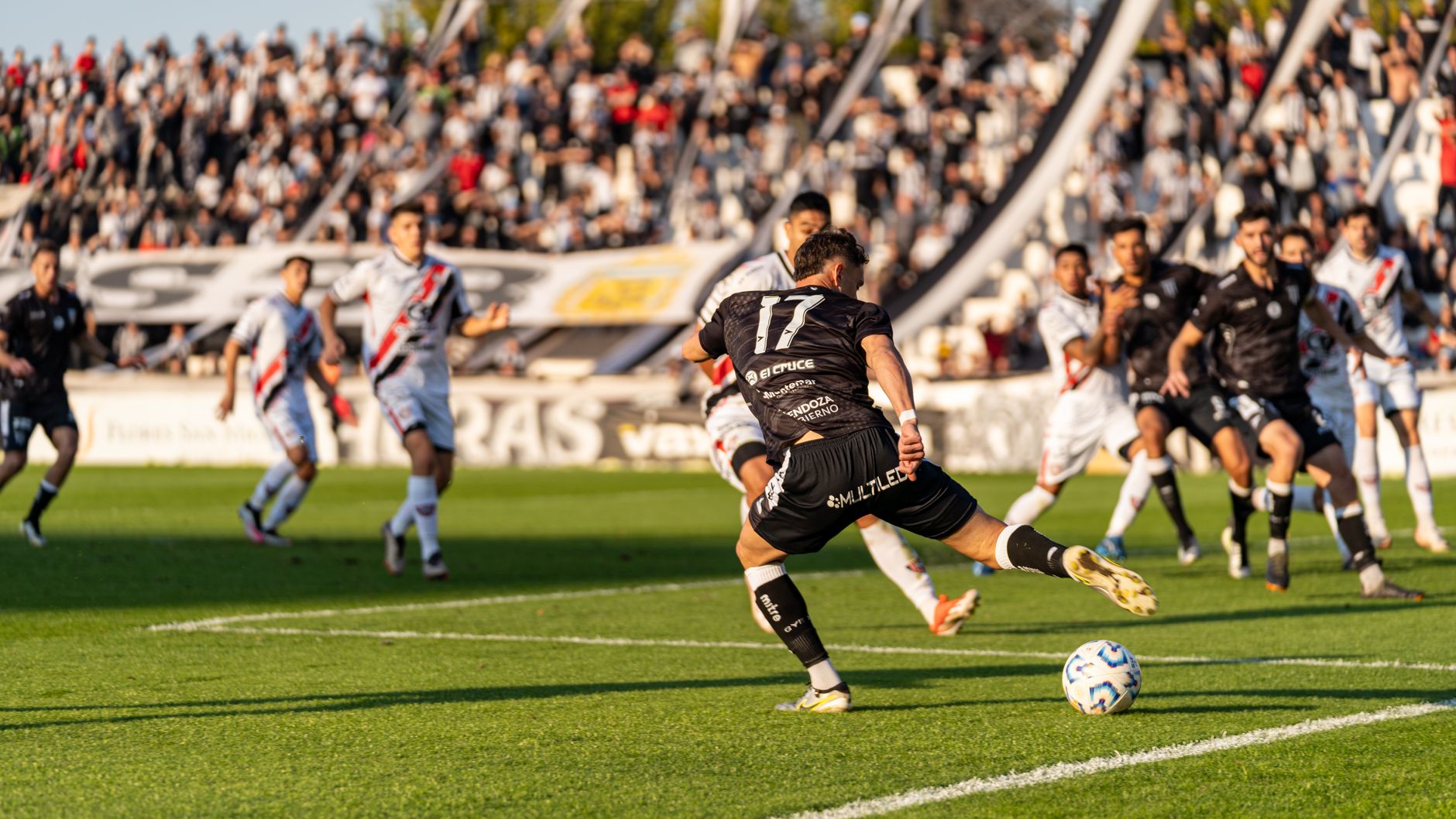
Photo by Franco Monsalvo on Pexels
For analysts and content creators, 2026 is a rare laboratory. The tournament tests whether national teams can scale tactical ideas across travel, heat, altitude, and knockout pressure. It also tests whether old assumptions still hold. European depth remains powerful, South American tournament craft remains real, and host-nation energy in the United States, Canada, and Mexico changes match atmosphere. But the sharper conclusion is contrarian: the expanded World Cup does not reduce quality as much as it increases variance. More variance rewards people who study details before narratives harden.
To turn World Cup interest into sharper daily insight, follow Tactical Review throughout the 2026 tournament.
Frequently Asked Questions
Q: What is the FIFA World Cup?
A: The FIFA World Cup is the leading international men’s football tournament organized by FIFA every four years. It started in Uruguay in 1930 and has become the most watched national-team football event in the world. The 2026 edition expands to 48 teams and will be hosted by the United States, Canada, and Mexico.
Q: How do I follow FIFA World Cup 2026 predictions?
A: Follow FIFA World Cup 2026 predictions by checking team news, tactics, injuries, travel schedules, and market odds before each match. First, review the confirmed lineup and formation. Then compare the tactical matchup and venue conditions. Finally, use Tactical Review for daily analysis instead of relying only on reputation or fan sentiment.
Q: What is the difference between the 2022 and 2026 World Cup formats?
A: The 2026 World Cup has 48 teams and 104 matches, while Qatar 2022 had 32 teams and 64 matches. The 2026 format uses 12 groups of four teams, followed by a 32-team knockout stage. This creates more qualification scenarios, more third-place implications, and more chances for tactical rotation.
Q: Is betting on the FIFA World Cup worth it?
A: Betting on the FIFA World Cup is worth considering only when you have a clear price edge and use responsible staking. The tournament attracts heavy public money, which can distort odds on famous teams such as Brazil, Argentina, England, and France. Use regulated sportsbooks, set limits, and avoid betting on every match.
Q: Why do World Cup predictions fail so often?
A: World Cup predictions fail because they overvalue star names and undervalue tactics, travel, injuries, and game state. International teams have limited training time, so set pieces, defensive structure, and substitutions decide many matches. In 2026, the larger format adds more variance through travel distance, climate shifts, and squad rotation.
Q: How much does it cost to watch or follow the FIFA World Cup?
A: The cost depends on your country, broadcaster, ticket category, and travel plan. Many fans watch through licensed TV networks or streaming services, while stadium attendance requires tickets, accommodation, and transport across host cities. For analysis, Tactical Review provides World Cup-focused coverage for fans tracking tactics, stats, and predictions.