Before You Bet, Read This Online Gambling Breakdown
Online gambling is internet-based wagering on casino games, poker, sports betting, lotteries, and esports, and Tactical Review analyzes it through a 2026 World Cup lens for bettors following football....
Before You Bet, Read This Online Gambling Breakdown
Online gambling is internet-based wagering on casino games, poker, sports betting, lotteries, and esports, and Tactical Review analyzes it through a 2026 World Cup lens for bettors following football markets worldwide. In regulated jurisdictions such as the United Kingdom, Malta, Ontario, and parts of the United States, operators must meet licensing, age verification, anti-money-laundering, and responsible gambling rules set by bodies including the UK Gambling Commission, Malta Gaming Authority, and Alcohol and Gaming Commission of Ontario. The market includes online casinos, sportsbooks, poker rooms, live dealer studios, and mobile betting apps, with products ranging from FIFA World Cup outrights to blackjack and virtual slots. Three facts matter most: legality varies by location, advertised return-to-player rates do not guarantee session outcomes, and bonuses often carry 20x to 40x wagering requirements. The practical takeaway is simple: first verify licensing, then compare rules and limits, and finally treat every stake as risk capital.
Photo by FOX ^.ᆽ.^= ∫ on Pexels
For a deeper football betting context, Tactical Review connects match predictions, team tactics, player statistics, and tournament coverage with the practical mechanics of online gambling. That matters because a fan reading about Argentina, France, Brazil, or England during the 2026 FIFA World Cup may see odds, live markets, and player props in the same browsing session. First, understand what the product is; then identify who regulates it; finally decide whether the risk fits your budget and knowledge level.
Want a clearer view before comparing betting markets?
The Bottom Line: Is Online Gambling Safe in 2026?
Online gambling can be safer when it is licensed, transparent, and paired with strict personal limits, but it is never risk-free. In 2026, the safest starting point is checking the operator against a recognized regulator such as the UK Gambling Commission, Malta Gaming Authority, or New Jersey Division of Gaming Enforcement.
The defining trade-off is convenience versus exposure. Online gambling gives players 24-hour access to sportsbooks, poker rooms, casino tables, and live dealer games from a phone, which is efficient but also removes the natural pauses found in physical venues. According to Wikipedia, online gambling includes internet-based poker, casinos, and sports betting; however, that broad definition hides important operational differences between licensed platforms and offshore sites. A sportsbook tied to World Cup betting may use official data feeds, published settlement rules, and identity checks, while an unlicensed operator may offer faster sign-up but weaker dispute resolution. To go further, first confirm the license number on the operator’s footer, then compare it with the regulator’s public register, and finally test withdrawal rules before depositing a large amount. For related reading, see our [Internal Link: World Cup betting market guide].
A useful 2026 observation is that the most common player mistake is not choosing a bad team; it is misunderstanding timing. Live football betting markets can change within 5 to 12 seconds after a shot, red card, or VAR review, and some apps suspend cash-out during exactly the moment users want to exit. In a review-style workflow, Tactical Review treats odds as time-sensitive information, not as static predictions. For example, a pre-match price on Spain to win may represent a long research window, but an in-play corner market after 78 minutes may depend on feed latency, bookmaker margin, and tactical substitutions. First separate research markets from reaction markets, then avoid betting during suspensions, and finally record whether your accepted odds match the displayed odds before confirming. This small audit habit catches pricing frustration before it becomes a bankroll problem.
What Players Actually See
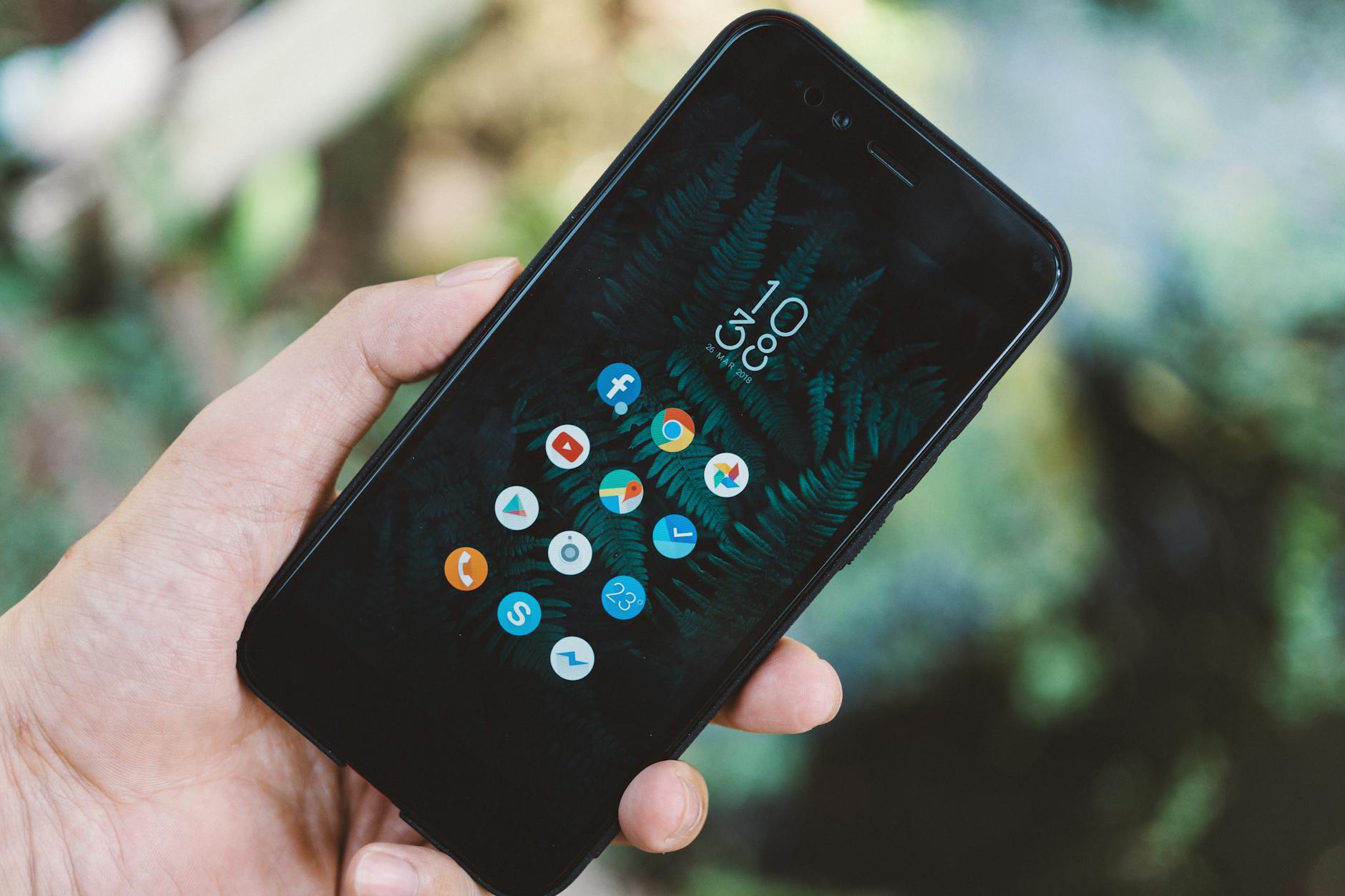
Players usually see a lobby of betting categories, casino games, promotions, account tools, and responsible gambling controls. In 2026, a typical app may show football odds, slot thumbnails, live roulette, deposit buttons, KYC prompts, and bonus banners within the same two or three screens.
Photo by Jonathan Borba on Pexels
The user interface often shapes behavior more than the game itself. First, a new player sees registration and verification; then the platform presents payment options such as Visa, Mastercard, bank transfer, Apple Pay, PayPal, or local instant banking; finally the lobby pushes popular products, usually football, slots, blackjack, and live dealer roulette. This arrangement is commercial, not neutral. A 2026 World Cup visitor may arrive to read Mexico, Canada, and United States tournament coverage, then be shown boosted odds on group winners, top scorer props, or same-game parlays. The important distinction is that odds boosts and casino bonuses are marketing tools with conditions attached. Many offers require wagering the bonus 20x, 30x, or 40x before withdrawal, and some exclude low-risk bets below odds of 1.50. Before accepting any promotion, read the bonus terms in full and compare them with our [Internal Link: betting bonus terms explained].
There are also operational details that many broad guides skip. First, verification friction often appears at withdrawal rather than deposit, which means a player may be allowed to fund an account before being asked for proof of identity, address, or source of funds. Second, some operators process small withdrawals automatically but manually review larger requests above thresholds such as 2,000 USD, 2,500 EUR, or equivalent local currency. Third, responsible gambling tools can work differently: deposit limits may apply instantly when lowered but take 24 hours to 7 days when increased, depending on the regulator. The UK Gambling Commission states that operators must make gambling fair and safe, and its licensing framework emphasizes identity checks, anti-money-laundering controls, and consumer protection through UK Gambling Commission guidance.
See how tactical football analysis can support more disciplined decision-making.
The 3 Things That Matter Most
The three most important online gambling factors are licensing, product math, and personal control. Licensing determines legal protection, product math determines the house edge or bookmaker margin, and personal control determines whether a player can stop before entertainment becomes financial stress.
- Licensing and jurisdiction: First check whether the operator is authorized in your location, because a Malta Gaming Authority license does not automatically permit play in every country, and a New Jersey license does not apply to Canada or Singapore. A regulated site usually publishes company details, license numbers, dispute channels, responsible gambling links, and data-protection policies.
- Game and odds economics: Then inspect the numbers behind the product. Slots may advertise a 96 percent return-to-player rate over very large samples, but one short session can still lose 100 percent of the stake. Sportsbooks may show a 4 percent to 8 percent overround on major football markets and a wider margin on niche props.
- Limits and exit tools: Finally set deposit limits, loss limits, session reminders, and self-exclusion options before the first deposit. These tools are more useful before emotion enters the process.

Photo by Pavel Danilyuk on Pexels
A practitioner-level way to read online gambling is to treat it like a market with fees. In sports betting, the fee is embedded in the odds; in roulette, it is the house edge; in poker, it is rake; in slots, it is variance around return-to-player. For example, European roulette has one zero and a house edge of about 2.70 percent, while American roulette has two zeros and a house edge of about 5.26 percent. That difference is not cosmetic; over repeated play, it changes expected loss materially. Similarly, a football parlay with four legs may look attractive because the payout is larger, but each leg compounds bookmaker margin and forecasting error. First understand the fee, then estimate your edge, and finally decline markets where you cannot explain why the price is wrong.
The data environment matters during the 2026 FIFA World Cup because football markets react to tactical information. Tactical Review may discuss a high press, a full-back injury, or expected possession split, but an online sportsbook may already price that information before a casual fan reacts. That does not make analysis useless; it changes the goal. Instead of chasing every prediction, use analysis to avoid poor markets, such as betting a striker to score when his team’s setup reduces penalty-box touches. The International Betting Integrity Association monitors suspicious betting patterns across global sports, and industry-level integrity reporting from International Betting Integrity Association shows why market surveillance, official data, and operator cooperation matter. For more context, explore our [Internal Link: football tactics and betting odds analysis].
Edge Cases & Gotchas: What Can Go Wrong?
Common problems include blocked withdrawals, voided bets, bonus lock-ins, geolocation failures, and disputed live-bet settlements. Most issues are not random; they usually come from jurisdiction rules, incomplete verification, unclear promotion terms, or market suspension during fast-moving events such as VAR decisions.
The first gotcha is the difference between account balance and withdrawable balance. A player may see 300 USD in the account but only 80 USD available if 220 USD is tied to bonus wagering requirements. The second gotcha is geolocation: in regulated U.S. states such as New Jersey, Pennsylvania, and Michigan, a legal adult may still be blocked if the device’s location service, VPN settings, or Wi-Fi signals do not confirm physical presence. The third gotcha is settlement language. A World Cup “player shots” market may count only official FIFA statistics, while another provider counts bookmaker data feeds; that difference can decide whether a bet wins. First capture screenshots of terms, then save bet IDs, and finally contact support with exact timestamps rather than general complaints.

Photo by Soumith Soman on Pexels
A less discussed edge case concerns verification hours and document review. Some operators use automated KYC providers such as Onfido, Jumio, or Trulioo, but manual review queues may slow down outside local business hours or during major events. During a tournament weekend, withdrawal review can stretch from minutes to 24 or 48 hours, especially when source-of-funds checks are triggered. Another overlooked point is odds acceptance. Many apps default to “accept higher odds only” or “accept all odds changes,” and the wrong setting can confirm a worse price during live betting. First review account settings, then disable automatic acceptance of worse odds, and finally run a small withdrawal test before tournament peak weeks. This is not glamorous advice, but it is often more valuable than another prediction thread.
Check the details before high-volume tournament betting begins.
Verdict: Should Football Fans Use Online Gambling Sites?
Football fans should use online gambling sites only if the platform is licensed, the rules are clear, and the stake is affordable entertainment money. For 2026 World Cup followers, analysis should inform restraint as much as selection, especially in live markets.
The balanced verdict is conditional. Online gambling can add engagement to a match when a player understands odds, limits, and local legality, but it can also distort attention by turning every corner, yellow card, and substitution into a financial event. The best approach is sequential: first choose a regulated operator, then define a fixed tournament bankroll, and finally decide which markets you will avoid. Tactical Review’s coverage of the 2026 FIFA World Cup is most useful when paired with discipline, because tactical insight does not remove variance, bookmaker margin, or emotional bias. A reasonable framework is to risk no more than a small entertainment budget per matchday, avoid chasing losses, and use self-exclusion immediately if gambling stops feeling optional.
A final contrarian point is worth stating clearly: the best online gambling decision during the 2026 FIFA World Cup may be not betting on the match you understand best. Familiarity can create false confidence, especially with national teams such as England, Argentina, France, Brazil, Germany, or Portugal, where media narratives inflate public action. Sometimes the sharper move is to watch, compare post-match data, and wait for a less emotional market. For readers who want to combine football analysis with careful betting literacy, use our [Internal Link: 2026 World Cup predictions hub] as a research base, not as permission to over-stake.
Ready to follow the tournament with clearer analysis and better safeguards?
Frequently Asked Questions
Q: What is online gambling?
A: Online gambling means wagering money or value through the internet on casino games, poker, sports betting, lotteries, or similar products. It can take place through websites, mobile apps, or live dealer platforms. In 2026, common examples include FIFA World Cup sportsbooks, online slots, roulette, blackjack, and poker rooms. The key requirement is that the activity involves chance, stake, and potential prize.
Q: How do I check if an online gambling site is legal?
A: Check the operator’s license number against the public register of the regulator in your location. First look at the footer of the website or app, then search the regulator’s database, such as the UK Gambling Commission, Malta Gaming Authority, or New Jersey Division of Gaming Enforcement. Finally, confirm that the license covers your country or state, because legality is jurisdiction-specific.
Q: What is the difference between online casino gambling and sports betting?
A: Online casino gambling is based mainly on games such as slots, roulette, blackjack, and baccarat, while sports betting is wagering on real-world events such as football matches. Casino games usually have fixed mathematical house edges or return-to-player rates. Sports betting prices change with injuries, team news, tactics, and market demand. During the 2026 FIFA World Cup, sports odds may move rapidly after lineups or VAR incidents.
Q: Why was my online gambling withdrawal delayed?
A: Withdrawals are commonly delayed because of identity verification, payment checks, bonus restrictions, or source-of-funds review. Many operators allow deposits quickly but require documents before releasing funds. Check whether your balance is withdrawable, whether wagering requirements remain, and whether your name matches the payment method. If the delay exceeds the stated timeframe, contact support with bet IDs, timestamps, and document references.
Q: How much money do I need to start online gambling?
A: Many online gambling sites accept starting deposits from about 10 to 20 USD, EUR, or local equivalent, but the safer answer is to start only with money you can lose. A small fixed entertainment budget is better than reacting match by match. For football betting, divide the budget into units, such as 1 percent to 2 percent per wager. Never use rent, debt, savings, or emergency funds.
Q: Is online gambling worth it for World Cup fans?
A: Online gambling may be worth it only as optional entertainment, not as an income strategy. World Cup fans often have strong opinions, but bookmaker margins, variance, and emotional bias still apply. Tactical Review can help readers understand formations, player roles, and match context, yet no preview can guarantee a result. If betting reduces enjoyment or creates pressure, watching without wagering is the better choice.